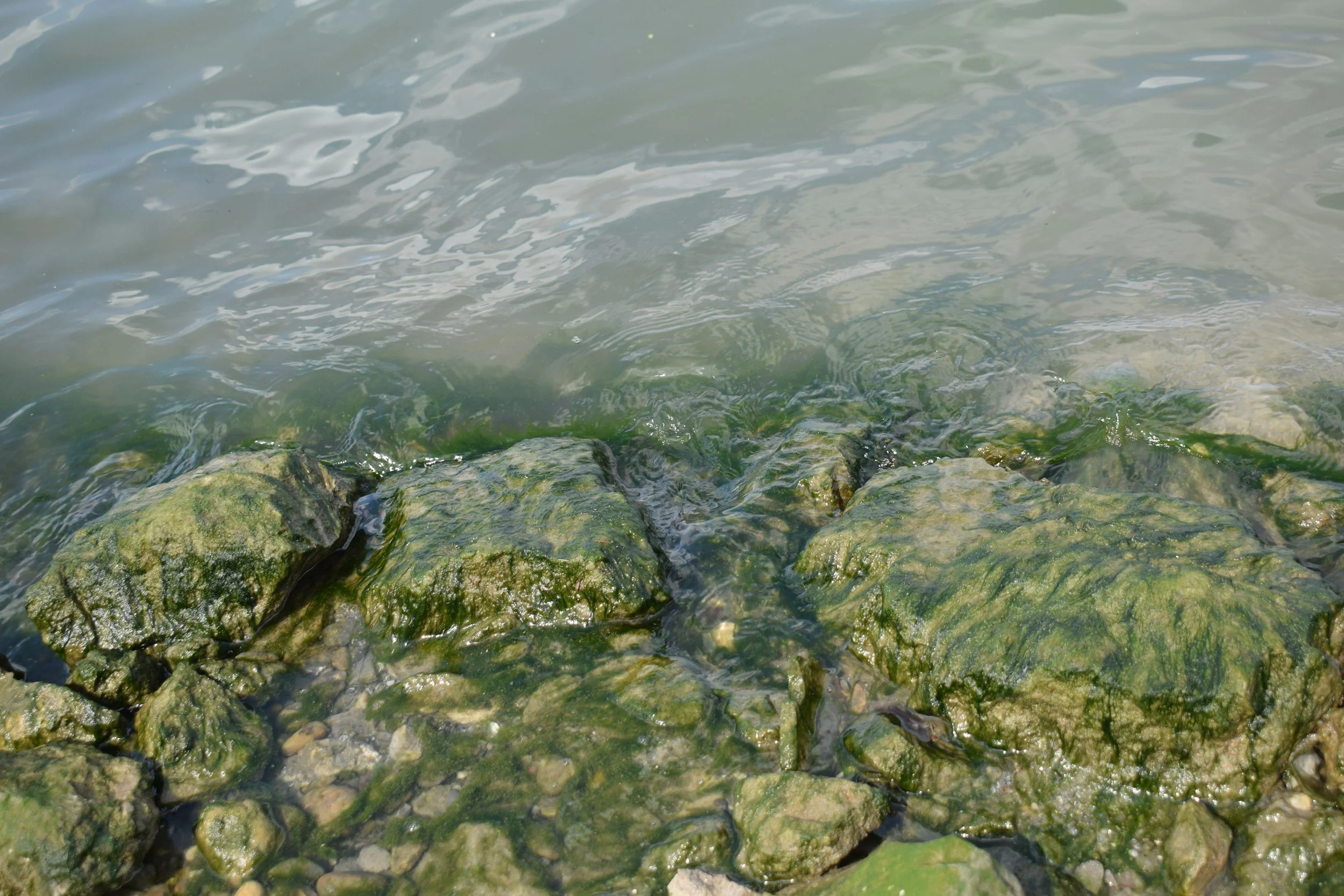
A stone revetment or a steel seawall along a Lake Michigan lot is easy to love at a showing. Somebody worried about the water and did something about it. What I want to see is the paperwork, and I have never seen a listing sheet with a line for it.
Two agencies, one application
Putting shore protection on the Great Lakes takes permits from both EGLE and the U.S. Army Corps of Engineers. They issue them separately, but EGLE's shore protection FAQ says one Joint Permit Application covers both, and its Great Lakes construction permits page says an application filed through the MiEnviro Portal goes to the Corps automatically.
That same page lists a 30-day completeness period followed by 90 to 150 days of processing, depending on the permit category and whether there's a public hearing. If you close in November and want new stone in the water by spring, you are cutting it close.
Where the line is
Part 325 of the state's environmental code covers bottomland below the ordinary high-water mark. The statute itself, MCL 324.32502, sets that mark for Lakes Michigan and Huron at 579.8 feet above sea level. That is on the 1955 datum. EGLE's ordinary high water mark page gives the 1985 datum figure as 580.5 feet and says the numbers will change again when the datum is updated, so if a surveyor hands you elevations, ask which datum they used before comparing them to anything.
The part that surprises people is that the elevation is not the whole story. The shore protection FAQ says that when the water is at or above the proposed structure, a permit is required whatever the high-water mark number says. It also says work above the mark may not need a Part 325 permit, but EGLE still recommends applying because other state protections can apply. So a wall that sits comfortably above the line in a low-water year is not automatically in the clear.
That FAQ is dated June 12, 2020, and it was written during record high water. I would call EGLE before leaning on any single sentence of it.
Dunes
If the lot is in a Critical Dune Area, the FAQ says a special exception is usually filed along with the permit application, and the project also needs a permit or waiver letter from the local soil erosion agency. I wrote about that program in the critical dune post. Whether a given lot is mapped that way is a separate lookup, and it's worth doing before you fall for a view.
What I'd ask the seller
For any lot with existing shore protection, I would ask for the EGLE and Corps permit numbers, or a plain statement that there aren't any, plus roughly when the structure went in. The same permit program covers docks and boat lifts, which I touched on in the bottomland dock post.
I don't know what happens to a missing permit once the property changes hands. Neither EGLE page I read says anything about permits and sales, so that one goes to a real estate attorney and to EGLE's staff for your county. Old-cottage grandfathering is its own question (more in this post), and I wouldn't assume it stretches to a wall in front of the cottage.
One more thing from the FAQ: an owner has to remove a structure that fails and ends up in the lake, and local governments can have their own recovery rules. A wall that is crumbling is a cleanup bill waiting for somebody, and that somebody might be you.
If you're looking at lakefront and the wall in front of it is making you nervous, text me at (231) 360-1510 or send a note and we'll look at what's on file before you write an offer. Our current listings are there if you want to see what's out right now. I'm a Realtor, not an attorney, so run the legal questions past one, and check with your lender and insurer about anything built along the water.
Checked against the sources linked above in November 2026.
Taylor Brown, Realtor
Taylor@taylorbrownrealtor.com
