
Michigan Transfer Tax on a Northern Michigan Home Sale: The Math at Closing
State and county transfer tax add up to $4.30 per $500 of a sale price. Here is the math at Northern Michigan prices, and what is exempt.
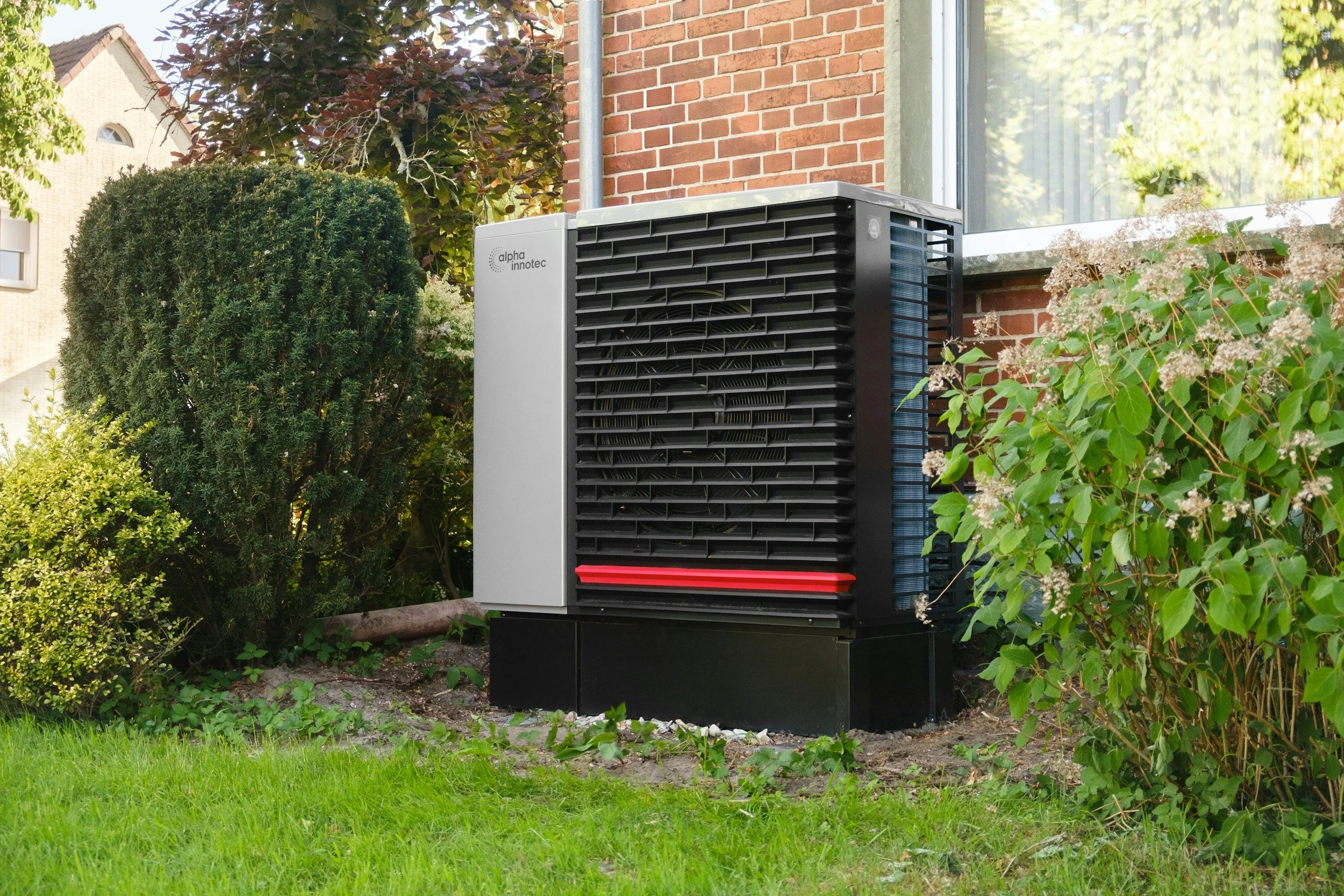
Heat Pumps in Traverse City: What the Rebate Covers in 2026
TCLP pays up to $3,000 for a cold climate heat pump in 2026, and the federal credit ended with 2025 installs. What buyers should check on the house.
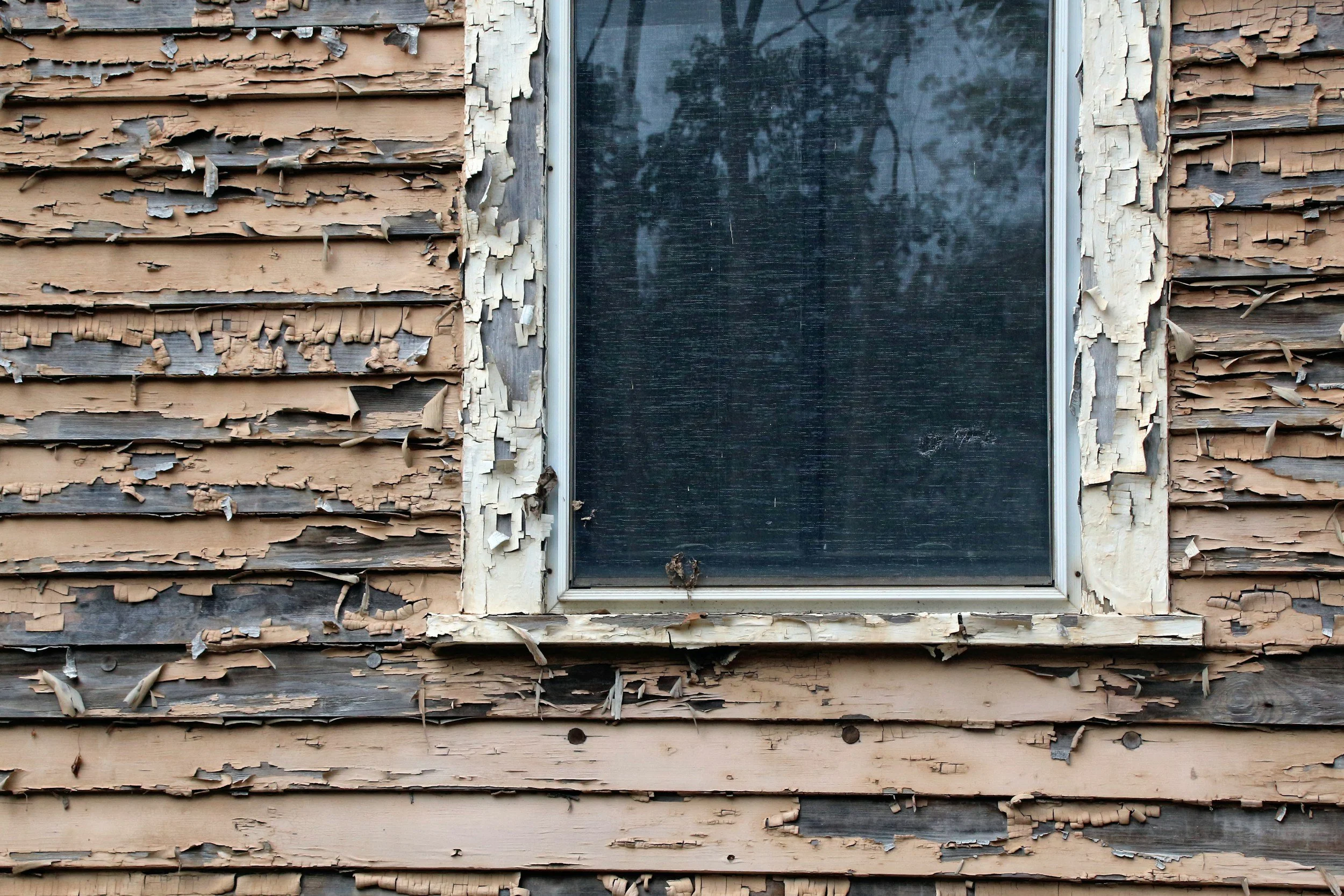
Buying a Pre-1978 House Near Traverse City? Read the Lead Paint Form First
Buyers of pre-1978 houses get a federal lead paint disclosure and a 10-day testing window unless they waive it. What the rule covers, and what it doesn't.

Fighting a Flood Zone Designation in Michigan: LOMA, LOMR-F and the Survey That Starts It
A house can be mapped into a flood zone and still sit above the base flood elevation. Here is how FEMA's LOMA and LOMR-F process works, who can sign an elevation certificate, and what to check with your lender and insurance agent first.

Critical Dune Areas: The State Permit Behind Some Lake Michigan Building Lots
Some Lake Michigan lots need a state permit before you can build, clear trees or put in a septic system. Here is how the 1989 dune map works, what the fees and review times look like, and what to ask before you write an offer.

Will the Internet Work at the Leelanau House You’re Buying?
Two companies built fiber and cable into Leelanau County, mostly to different townships. Here is how to check a specific address before you write an offer.

I Ask About the Property Transfer Affidavit Before I Ask About the Roof
Michigan gives you 45 days to tell the assessor when a cottage changes hands, and the penalty cap on a vacation property is twenty times higher than on a house. Here’s the uncapping trap, the family exemption almost nobody uses right, and why converting an inherited cottage to a short-term rental can undo it.
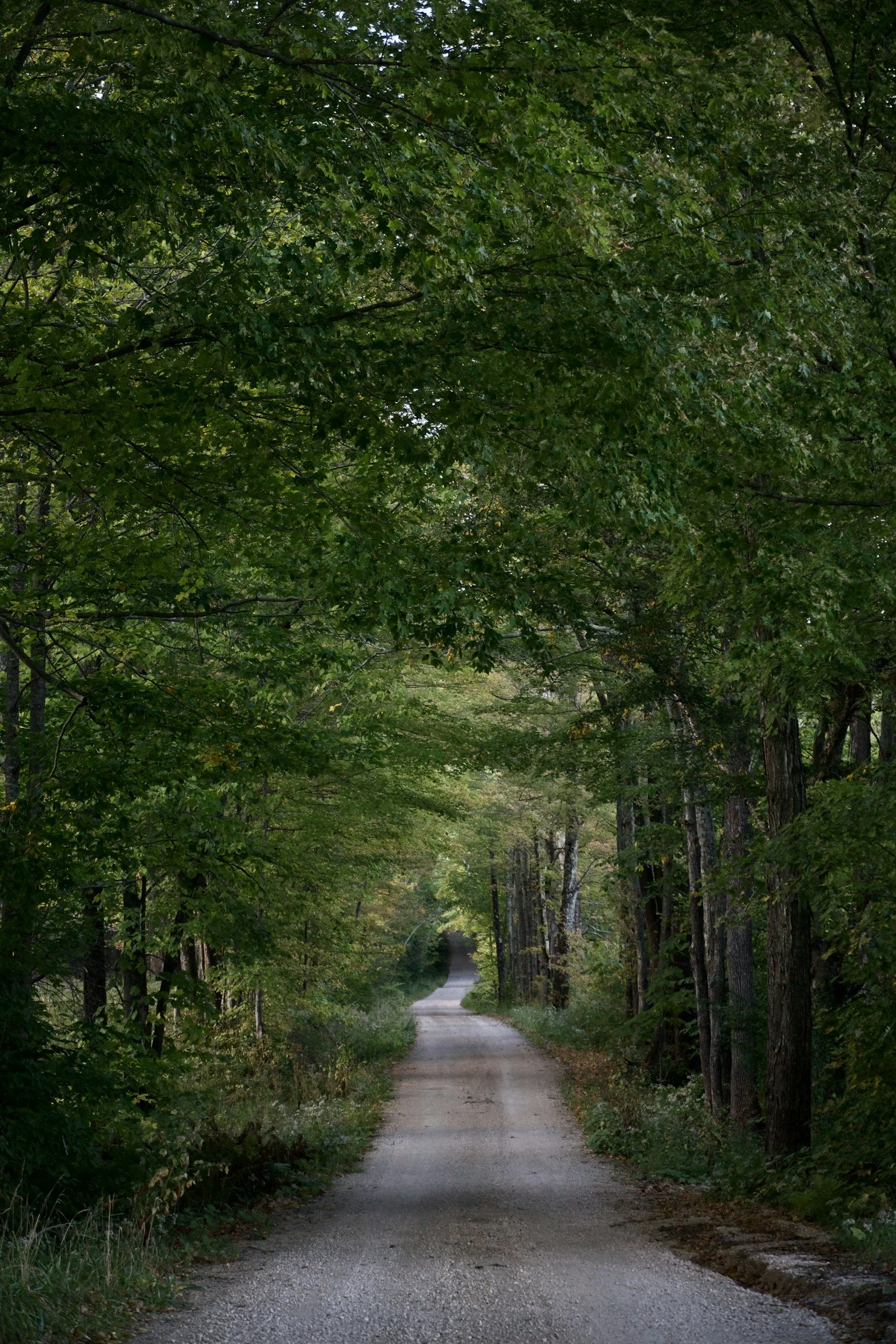
I Won’t Write an Offer on a Northern Michigan Private Road Without Seeing the Maintenance Agreement
Private roads and seasonal roads aren’t the same category, and Michigan’s lenders don’t ask the same questions about either one. What Leelanau’s winter closures, a 2007 Kasson Township ordinance, and the gap between FHA and Fannie Mae actually mean for a private road up north.

Is Next Week Really the Best Time to Buy a House in Traverse City?
Realtor.com says next week is the best week nationally to buy. Traverse City's own numbers tell a different story, and the reasons come down to who is actually selling up here.

Pole Barn First, House Later: What the Townships Up North Let You Build
Green Lake Township’s zoning ordinance says an accessory building can only exist where there’s already a primary structure on the parcel. Grant Township’s 1974 ordinance says the opposite. Here’s what the townships around Traverse City allow if you want the pole barn up before the house, plus the six-month clock on living in a camper while you build.

In Antrim and Kalkaska Counties, Somebody Else Often Owns the Gas Under the House
Michigan splits surface rights from mineral rights, and the Antrim Shale runs right through the counties we work in. Act 42 of 1963 gives a severed oil or gas interest twenty years before it reverts, but the paperwork to reset that clock is cheap. Your title policy excepts minerals out, the seller's disclosure doesn't ask, and the DNR is proposing a lease auction for October 27. Here's how to check who owns what's under an Antrim or Kalkaska County parcel before you write the offer.

Who Can Legally Shoot Near the House You’re Buying Up North
Michigan's hunting safety zone is 450 feet from an occupied building, and the DNR applies it to firearms only. There is no equivalent distance for a bow. Meanwhile, not one of the five counties we work in has a DNR-approved hunting closure on the books. What that means for the woods behind the house you're buying, ten days before archery season opens.
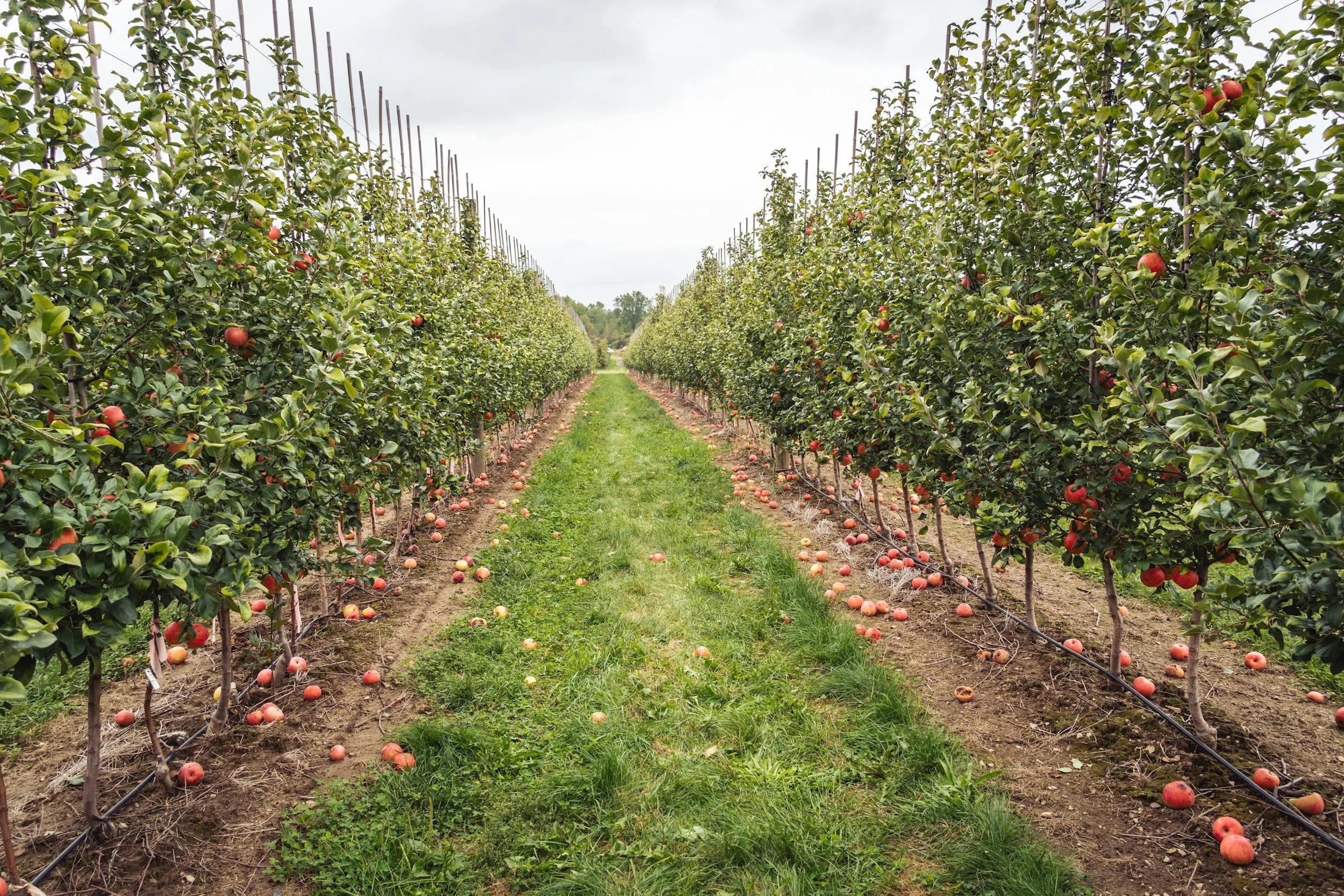
PA 116 and the Leelanau Orchard You Were Planning to Build On
Part 361 of Michigan's NREPA lets a farm owner trade away development rights for a tax credit, and the covenant runs with the land. If the orchard you're looking at in Leelanau is enrolled in PA 116, you can't build on it without the township and the state both signing off, a release takes two months or more, and an unpaid payback from a prior owner turns into a lien at the Register of Deeds.

What “Lake Access” Buys You at a Public Road End Up North
The Glen Lake Association watches seventeen road ends between Big and Little Glen. Since March 2012 it has been a misdemeanor in Michigan to put a hoist, an anchorage device, or an overnight boat at any of them, and every 24-hour period counts as a separate $500 violation. What that means if you're buying a back lot for the access, and what it means if you're buying the house next door to one.

Is There an Oil Tank Buried Next to That Old Traverse City House?
Two pipes by the foundation of an older Traverse City house usually mean a heating oil tank is still in the ground. Michigan regulates those tanks under the fire code, keeps no registry of them, and has no fund to clean one up if it leaked. Here is what the state requires, what it costs, and how to check before you write the offer.

Ninety Days: The Lien That Can Land on a Just-Renovated House After You Close
Michigan gives a contractor, sub or supplier 90 days from their own last day on the job to record a claim of lien, and the clock does not stop at your closing. MCL 570.1119(3) puts that lien ahead of a deed recorded after the work started, the state's Homeowner Construction Lien Recovery Fund has been gone since August 2010, and your title commitment almost certainly carries a standard exception for exactly this. Here is what to ask before you buy a just-renovated house up north.

On Old Mission Peninsula, the Driveway Permit Comes From the State, Not the County
Center Road is a state trunkline the whole way up Old Mission, which means the driveway permit on a vacant lot there comes from MDOT and not the county. Which office has jurisdiction, why the township won't look at your house plans until you already have that permit, the 10 percent slope trigger that catches bluff lots off M-22, and the November 15 date that closes the right-of-way until spring.
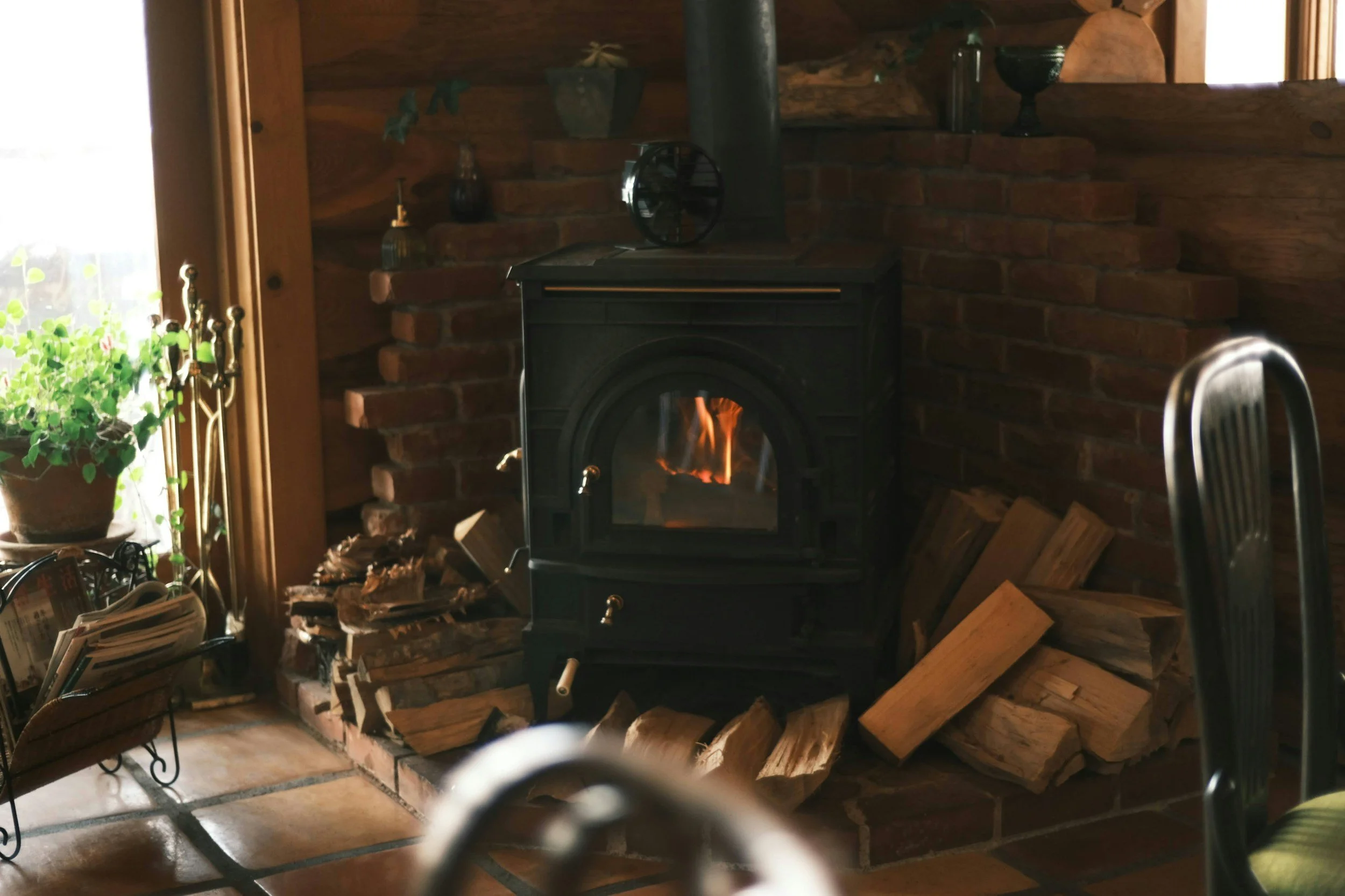
Can You Get Insurance on a Northern Michigan Cottage With a Wood Stove?
Thirty-six inches is how far NFPA 211 wants an unlisted stove from anything that can burn, and plenty of cottages up here are nowhere close. What the carrier’s wood stove questionnaire asks, why the Level 2 chimney inspection only happens when a buyer requests it, which office holds the install permit in Leelanau County, and the federal stove credit that expired on December 31.

Pink Water in the Toilet: How to Buy a Cottage Up North After It’s Been Winterized
Labor Day is behind us and the seasonal cottages between Cedar and Northport are about to get closed up for the year. If the toilet water in the listing photos is pink, the plumbing is dry, and your inspector isn't required to turn it on. Here's how to write the offer so somebody runs water through the house before you own it.
Eighteen Mills: Glen Arbor Pays a School Tax That Most of Elmwood Skips
Column 15 of the county's own equalization report says 25% of Glen Arbor Township's taxable value carries a principal residence exemption. In Elmwood it's about 70%. Michigan's 18-mill school operating tax is the difference, the November 1 deadline to claim it is seven weeks out, and the exposure on getting it wrong runs four years back at 15% a year.