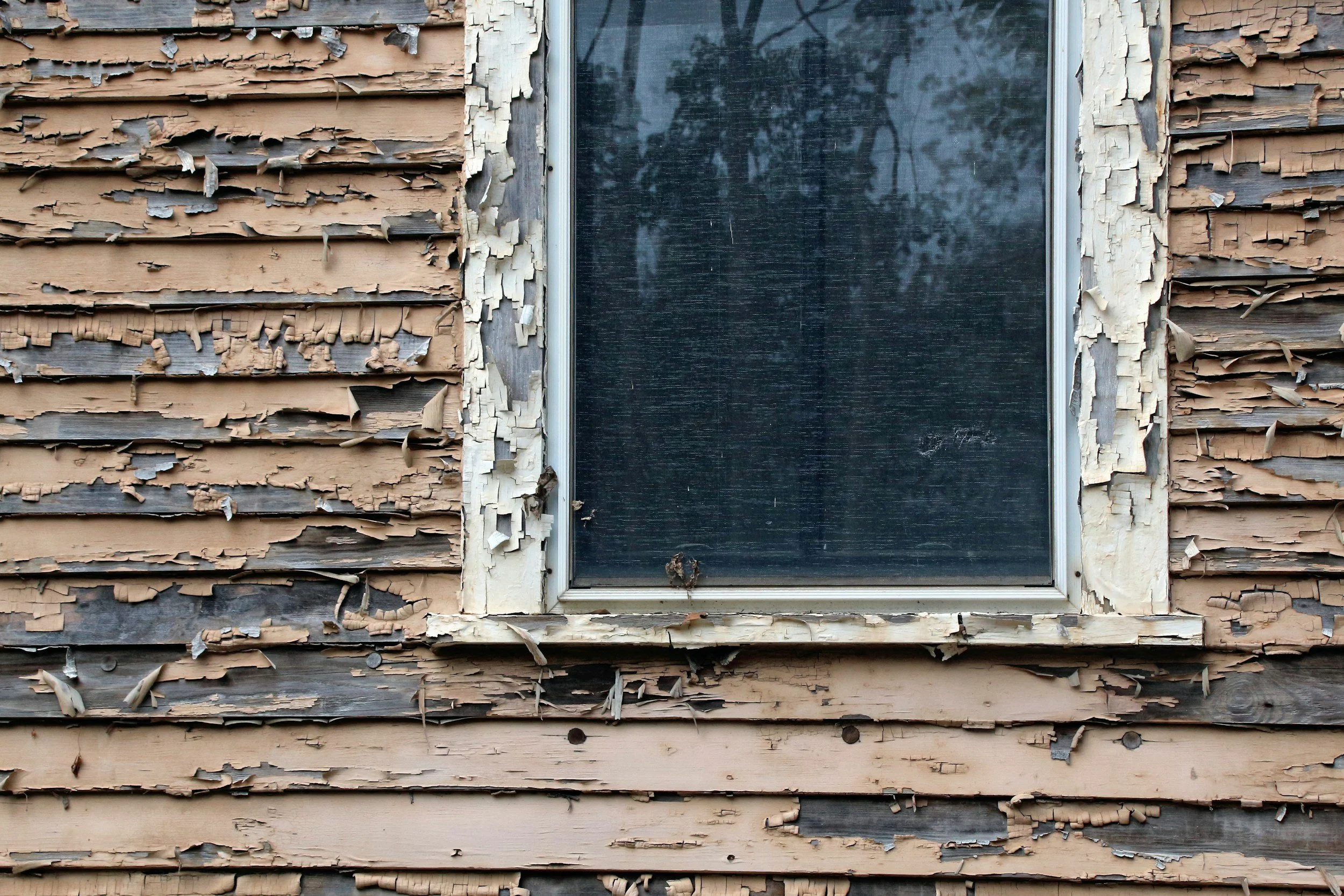
Plenty of the houses people picture when they say "old Traverse City" were built before 1978. Bungalows in the in-town neighborhoods, farmhouses on the peninsulas, cottages that have been in one family since before cable. Federal law has a name for every one of them, "target housing" (40 CFR 745.103), and it comes with a stack of paperwork that buyers tend to initial without reading.
The rule is a disclosure rule. It does not make anyone test for lead or fix it. What it does is decide what you get to see, and when, before you are locked into a contract.
What the seller has to put in your hands
Before you are obligated to buy, the seller has to give you EPA's pamphlet, Protect Your Family from Lead in Your Home, tell you about any lead-based paint or lead-based paint hazards they know of (including where and what condition), and hand over any reports or records they have. That list comes from 40 CFR 745.107, and EPA's own plain-English summary says the same thing in about a page.
The key word is "known." A seller who has never tested and never heard of a problem checks the box that says so, and that is a legal answer. It is also not much information for you.
The disclosures get signed as part of the contract (see 745.113), and both the seller and the agents have to keep a copy for at least three years after closing. Agents are on the hook too: under 745.115 the agent has to make sure the seller knows the rules and that they were followed. That's a big reason a lead addendum shows up in so many older-house deals.
The ten days
This is the part I'd circle. The buyer gets a 10-day period to have the house tested for lead-based paint or lead-based paint hazards, unless both sides agree in writing to a different length. The buyer can also waive it in writing (745.110).
Ten days is not long when you are also lining up a general inspection, a well and septic evaluation, and maybe a survey. If the house is a farmhouse with a well, a septic system and a century of paint layers, those clocks run side by side, and it's worth deciding on day one whether you want the lead test or are comfortable waiving it, rather than finding out on day eight.
I don't know the going rate for a lead inspection or risk assessment around here, and I'm not going to guess one. Get quotes from a certified inspector or risk assessor.
Who it doesn't cover
Housing built in 1978 or later is outside the rule. So is housing for the elderly or for persons with disabilities, and a studio-style (zero-bedroom) unit unless a child under six lives or is expected to live there. Sales at foreclosure are excluded too (745.101). If you are buying a bank-owned house out of foreclosure, don't expect the same addendum, and plan your own testing accordingly.
If you're planning to renovate
Separate rule, same year. EPA's Renovation, Repair and Painting program says anyone paid to do work that disturbs painted surfaces in a pre-1978 home has to be certified and trained. That includes the one-person outfit with a truck. It generally does not apply to you doing the work in your own home, but it does apply if you rent the place out or buy, fix and resell it. If the plan is to strip a 1950s kitchen down to the studs, ask any contractor for their EPA certification before you sign anything.
It also matters if you're thinking of the house as a rental. The older stock near downtown is exactly what people look at for that, and our short-term rental guide covers the township-level rules, which are a different animal from this one.
If you're the one selling
Same rule, other side of the table. If your house predates 1978 and you've never had the paint looked at, the disclosure is still required, and "I don't know" has to be what you can truthfully say. Talk to your agent early, because the forms are easier to fill out before an offer than during one. Our selling page has the rest of how we prep a listing.
Buying something from the same era in a different part of the county? The buried oil tank post covers the other thing I look for on a house this age.
Checked against the sources linked above in October 2026. I'm a Realtor, not a lawyer or an environmental consultant, so confirm the details with your attorney and a certified lead inspector.
If you're looking at an older house and want a second set of eyes on the contract timeline, send us a note, text (231) 360-1510, or call (231) 403-0909. Or tell me which old house you're eyeing.
Taylor Brown, Realtor
Taylor@taylorbrownrealtor.com
