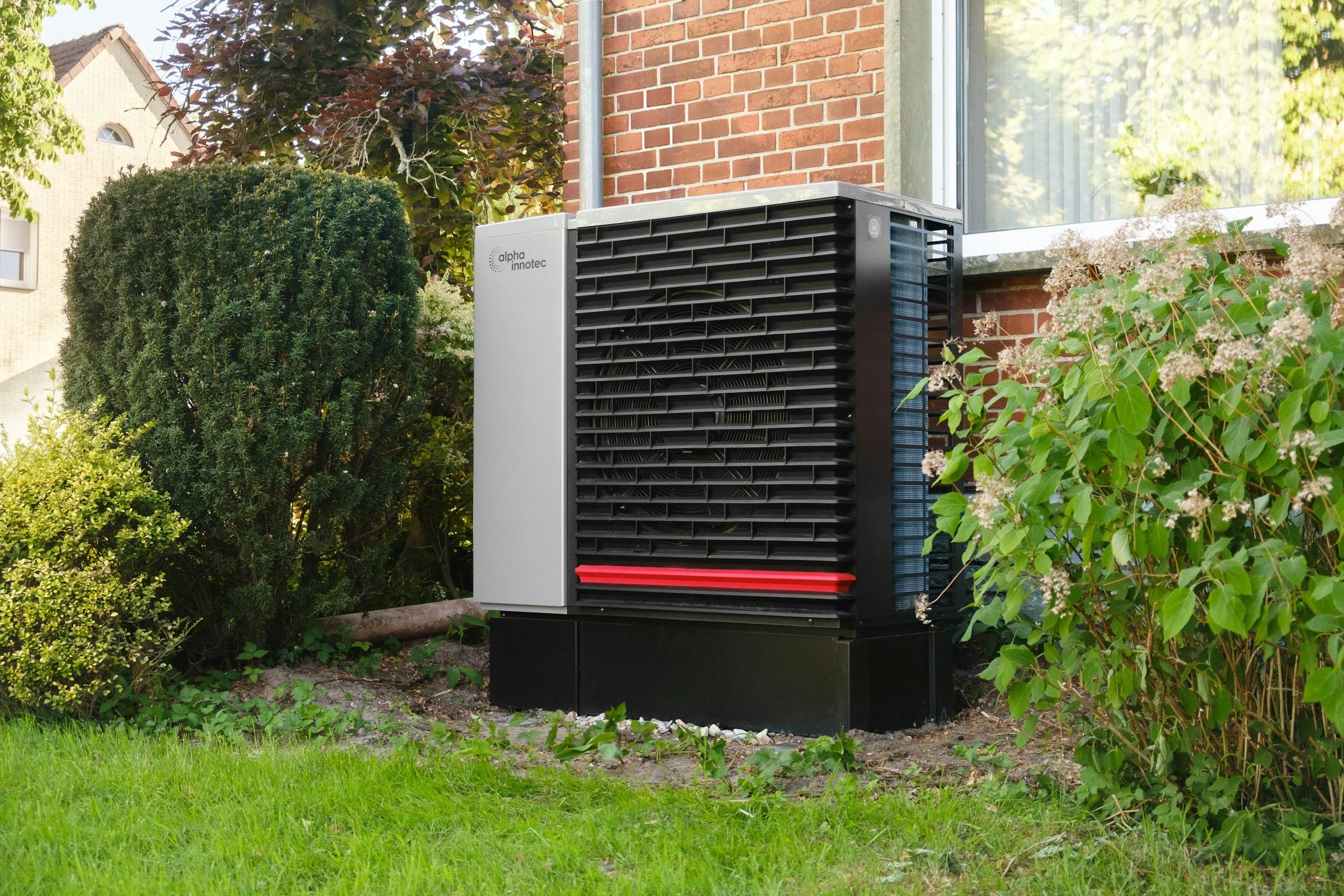
If the house you're looking at has a propane furnace and a Traverse City Light & Power meter, somebody in the process is going to say "you could put a heat pump in." They might be right. But the money attached to that sentence changed on January 1, 2026, and a lot of the paperwork floating around still reflects the old version.
Here is what I could confirm from the sources, and what I couldn't.
What TCLP pays in 2026
TCLP's Energy Rewards residential measures sheet lists $3,000 for a cold climate ducted split heat pump and $3,000 for a ductless mini-split. A standard (not cold climate) ducted air-source system gets $1,500. A heat pump water heater, 55 gallons or smaller, gets $1,000.
The "cold climate" label has a number behind it. The sheet requires a COP of 1.75 or better at 5°F, plus SEER2, EER2 and HSPF2 minimums that differ a little between the ducted and ductless categories. If you're looking at a house with an existing system, the model number is what you check against that sheet, not the word "cold climate" on an invoice.
The rules on the same sheet are the part I'd read twice. It's for TCLP customers only. It runs first come, first served while funds last. The program year ends December 31, 2026. Applications have to be received within six months of purchase, and TCLP says it can change or close the program at any time. They also ask you to call (231-922-4940) before you buy to confirm eligibility.
The federal credit
This is the one I see lingering in old listing remarks and old blog posts. The IRS page for the Energy Efficient Home Improvement Credit says it applies to qualifying property placed in service before December 31, 2025. A heat pump installed in 2026 is outside that window. Earlier installs had a $2,000 annual cap for heat pumps, heat pump water heaters and biomass stoves combined.
So if a seller says the system "qualifies for the federal credit," ask when it was installed. And if you're a buyer planning to put one in next spring, don't put a federal credit in your budget. What a seller claimed on their own return is between them and their tax preparer, and I'd leave it there.
Does the rebate follow the house?
I don't know, and I haven't found anything on TCLP's sheet that says. The rebate is paid to whoever bought the equipment, within six months of buying it. A buyer who closes on a house with a two-year-old system probably isn't getting anything, and a buyer who closes in November and installs in December might. Call TCLP before you count on it.
It also only matters if TCLP is the utility. Cherryland, Consumers and Great Lakes Energy all serve parts of the area we work, and I haven't compared their heat pump programs line by line, so I'm not going to pretend to. We went through who bills which parcels in this earlier post, and the Traverse City boundary wanders enough that two neighbors can be on different utilities.
Before you write the offer
Ask for the install invoice and the model number. Ask whether the seller applied for a rebate and when. Ask what the backup heat is and whether the previous owner actually ran the heat pump through a January cold snap, or just used it in October. Whether a heat pump saves you money in a Leelanau February depends on the house, the insulation, and what you pay per kilowatt-hour, and that's a question for an HVAC contractor and a few months of real bills, not for me.
If you're comparing a Traverse City house with a heat pump against one on propane and want help pulling the pieces together, send me the two addresses. And if you've already put one in up here, I'd like to hear how it did in January.
Checked against the sources linked above in October 2026. Confirm rebate eligibility with your utility and the tax questions with a tax professional. I'm a Realtor, not an HVAC contractor or a tax adviser.
Taylor Brown, Realtor
Taylor@taylorbrownrealtor.com
