Lansing Wants to Put a Granny Flat in Every Michigan Backyard. In Garfield Township, the Only Legal ADU Is Still the Farmhand’s House.
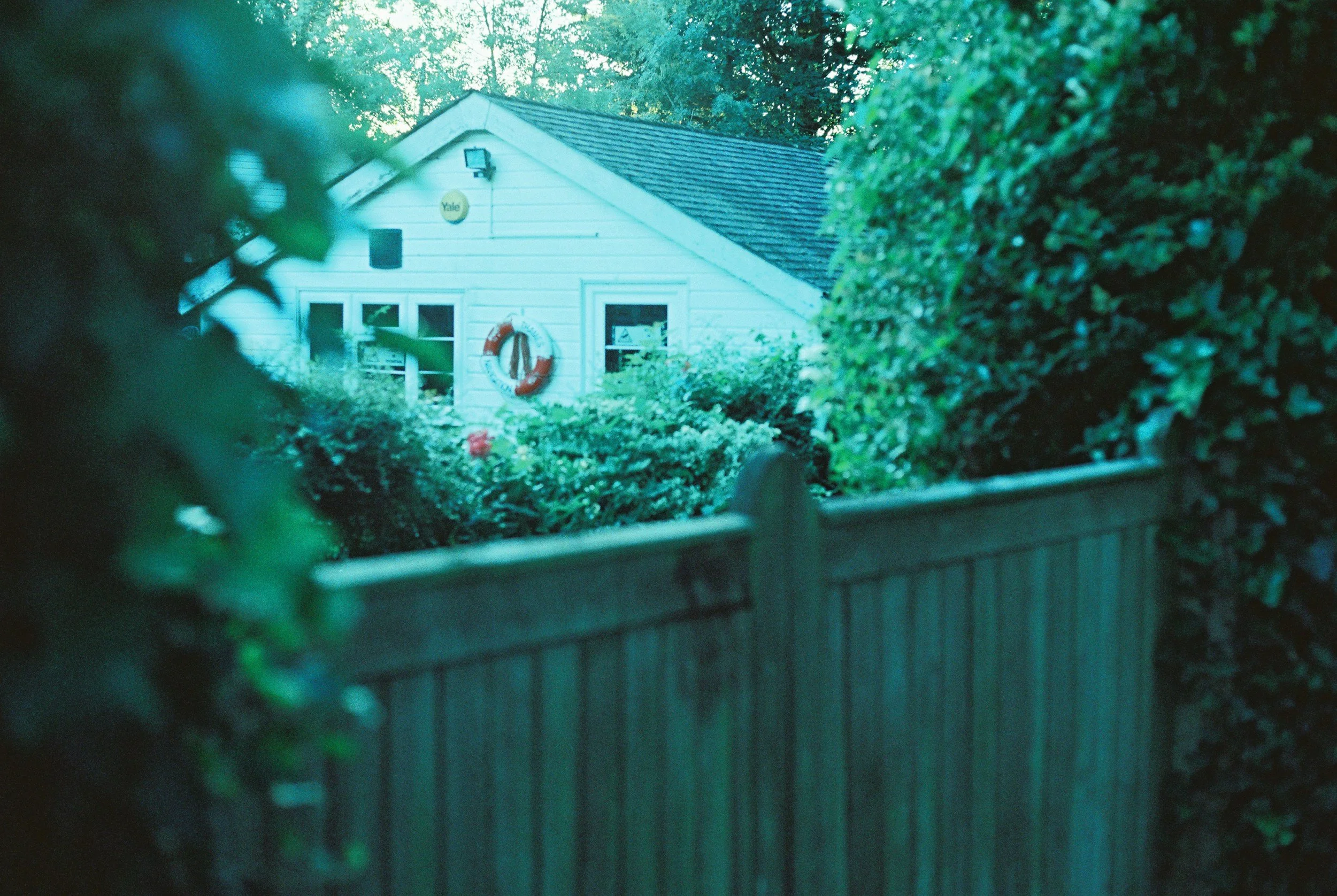
The Bill Is 800 Square Feet of Political Dynamite
House Bill 5585 landed in Lansing on February 24 with 27 sponsors from both parties, and it would do something Michigan has never done: legalize accessory dwelling units by right in every residential zone in the state. It’s been sitting in the Government Operations committee ever since.
Under the bill, a homeowner could build a second small dwelling — up to 800 square feet or 75% of the main house, whichever is less — with no public hearing, no parking mandate, and no owner-occupancy requirement. Five-foot side and rear setbacks, administrative review only, done.
It would even allow retroactive approval of ADUs that already exist. If you know Northern Michigan, you know exactly why that clause is in there. There are a lot of “bunkhouses” over a lot of garages up here that nobody ever pulled a permit for.
Until It Passes, the Township Line Decides Everything
Right now Michigan has no statewide ADU law at all. Whether you can put a small second dwelling on your property is decided entirely by local zoning, and around here that produces some strange contrasts within a ten-minute drive.
Traverse City has allowed accessory dwelling units since 2015, and the rules have been loosened twice since. But the city still requires the owner to live in either the main house or the ADU — commissioners kept that requirement in 2023 even while removing the annual cap in the R-2 district — and an ADU there can only be rented for three months or longer. No Airbnb.
Cross into Garfield Township and the picture flips. The only version of an ADU the ordinance currently allows is a farm employee house in an agricultural district — the township has been exploring broader ADU rules in its master plan work, but as of today, a granny flat behind a regular house isn’t a thing there.
Out on Old Mission, Peninsula Township’s ordinance is blunter still: an accessory building can’t be used as a dwelling, with no sleeping, laundry, or kitchen facilities allowed. That charming outbuilding behind the farmhouse is legally a shed, no matter how nice the light is. And East Bay Township routes most accessory-building questions through special land use review, which means a public process, not a rubber stamp.
The Listing Word That Should Make You Slow Down
“Guest house.” “In-law suite potential.” “Studio over the garage.” We see these phrases on Northern Michigan listings constantly, and they’re doing a lot of unpaid legal work.
The tripwire is almost always the kitchen. In most local ordinances, what turns a bonus room into a second dwelling unit is cooking facilities — add a stove and you may have created an illegal second residence on a parcel zoned for one.
Working in this market, you pick up on the pattern: the structure has usually been there for decades, everyone in the family calls it “the cottage,” and no one can produce a permit that says dwelling on it. That’s fine right up until you’re the buyer paying a premium for it.
What an ADU Is Actually Worth Up Here
Done legally, a small second unit is one of the most useful things a Northern Michigan property can have. Aging parents, a kid boomeranging home, a long-term rental that offsets the mortgage in a market where workforce housing is scarce — the demand is real and it is not going away.
What an ADU is usually not, at least inside Traverse City, is a short-term rental. The city’s three-month minimum stay exists specifically to keep granny flats from becoming vacation rentals, and township rules elsewhere add their own layers — our short-term rental guide covers those rules town by town.
And don’t skip the dirt. A detached unit needs somewhere for its wastewater to go, and out here that usually means the existing septic system, which was sized and permitted for a specific number of bedrooms. On a lot of rural parcels, the health department file decides more than the zoning does — the same lesson as the perc test taught us about raw land.
The Second-Stove Test
Before you write an offer on a property where a second dwelling — existing or imagined — is part of your math, get answers to three questions.
One: ask the township, in writing, what the second unit legally is. Permitted use, special use, or prohibited — and get the ordinance section number, not a verbal “should be fine.” If the answer involves a public hearing, price in the possibility that the answer is no.
Two: pull the septic permit. How many bedrooms is the system rated for, and does that number already cover the extra unit? A “guest house” that pushes a three-bedroom system to five bedrooms of actual use is a health-department problem wearing a listing-photo smile.
Three: if rental income is in your spreadsheet, verify the minimum stay and the owner-occupancy rule. An ADU you can only rent by the season, or only while you live on site, is a very different investment than the one the pro forma assumed.
Watch Lansing. Don’t Bet the Offer On It.
Could HB 5585 change all of this? Absolutely — that’s the point of it, and the follow-up bills filed in June on frost protection, window standards, and shared sewer connections suggest somebody in Lansing is serious about the details.
But Michigan moves slowly on land use. The land division reform that just raised split limits took years to pass and doesn’t fully kick in until March 2027. Buying today on the assumption that a committee bill becomes law isn’t a strategy — it’s a hope with a mortgage attached.
If you’re weighing a property where a second unit is part of the plan — or you’re staring at a listing that says “guest cottage” and wondering what that legally means on that exact parcel — reach out. This is the kind of homework we actually enjoy.
Taylor Brown, Realtor
Taylor@taylorbrownrealtor.com
